1. I.

    Kenya

    The Maasai Mara, the migration, the golden light

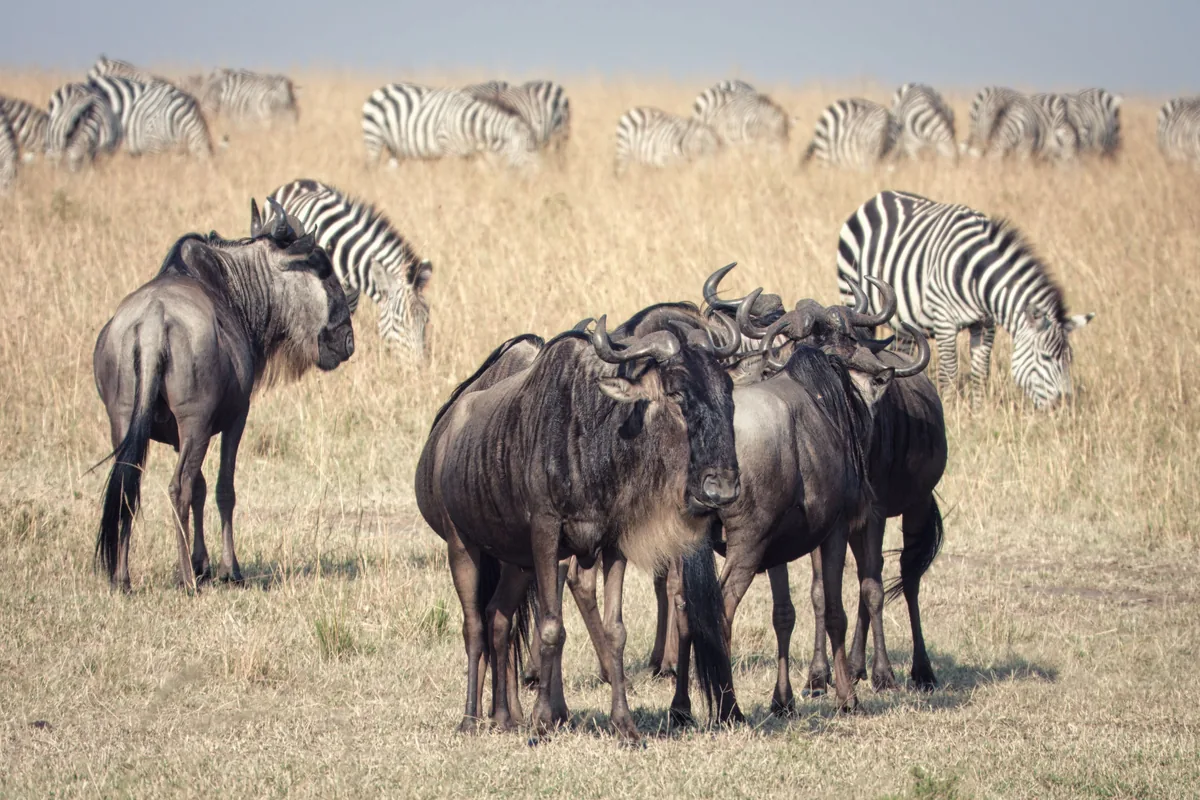
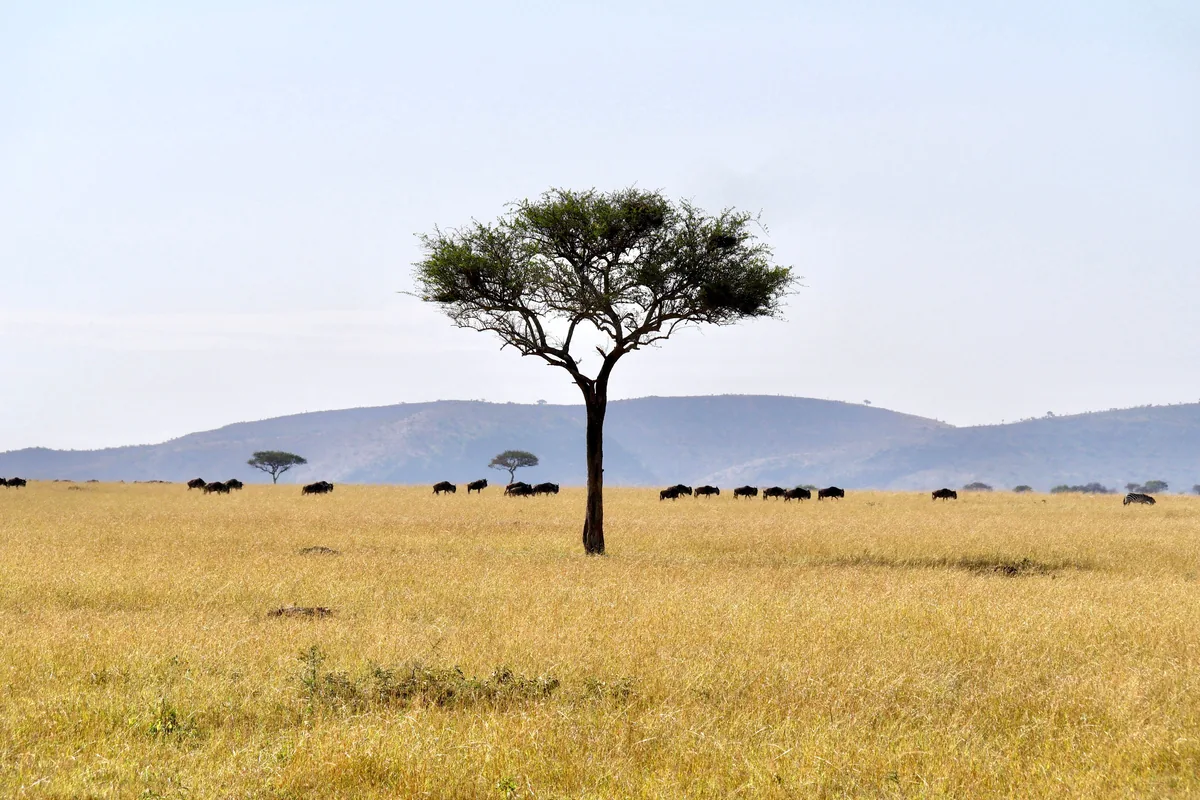
    Kenya is light. A golden light I have found nowhere else with such clarity. In the Maasai Mara, July mornings set the shadows like a marksman taking aim; in the evenings, October falls within minutes and the herds stretch out in the tall grass.

    I work with two tented camps — no concrete, no buffet, fires in the evening and enamel kettles. The Maasai guides I engage are the ones I have known for fifteen years. We set out at dawn, return before the heat, and head out again in the late afternoon for the descending light.

    The great migration crosses the Mara River between late July and early October, yet the Mara remains extraordinary outside those windows — less frequented, more peaceful, with a far finer use of the land. It can be combined with Lake Nakuru or the highlands of Laikipia to open the journey out further.

    An adult cheetah and her cub in the grasses of the Maasai Mara
    Maasai Mara — July, 6.30am, wildebeest crossing the Mara
    Recommended season —
    July to October
    Average duration —
    8 to 12 days

    Write to me about Kenya →

  2. II.

    Tanzania

    Rufiji, baobabs, the timeless light of Out of Africa

    Tanzania is the country closest to my heart. I work it across three particular parks, chosen for their character and their varied rhythms.

    Nyerere National Park (formerly Selous) — it is here that the "Out of Africa" atmosphere makes itself most felt. The Rufiji River unfurls its majestic landscapes; you go down it by boat at sunset, you camp on the sandbanks, you watch hippos at ten metres without their ever seeing you. The wildlife is less concentrated than in the north, but the approaches are longer, fuller.

    Ruaha National Park — raw Africa, the baobabs, the red earth. Few vehicles, distances that impose their own silence, dense wildlife (lions, leopards, great herds of elephants). It is my favourite park for its starkness.

    Mikumi National Park — a gentler, more luminous, more accessible immersion. Often what I suggest as a first stage, or to close: a place to breathe, without having to travel far between drives.

    I do not systematically offer the classic Serengeti and Ngorongoro — I know them, but prefer to leave them to those whose trade it is to manage the crowds. On request, we can talk it over.

    Two hot-air balloons above the Serengeti at daybreak
    Nyerere National Park — Rufiji River, October, a boat at rest
    Recommended season —
    June to October
    Average duration —
    10 to 15 days

    Write to me about Tanzania →

  3. III.

    Uganda

    Bwindi, Kibale, watching the great apes

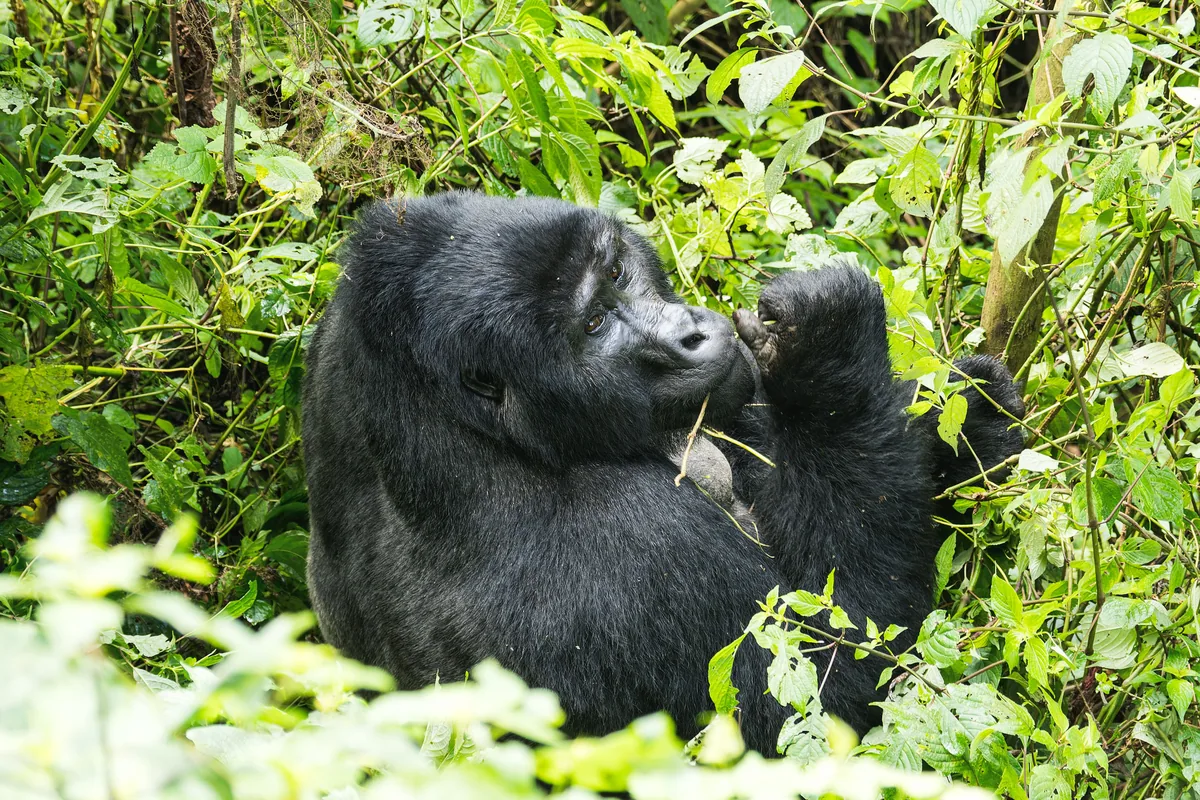
    Uganda is the land of the great forests. At Bwindi, watching the mountain gorillas remains one of the most powerful experiences I know — a slow climb beneath the canopy, hours of walking at times, then an hour face to face with a family that the trackers have known for decades. Everything here is regulated, supervised, respectful: no rush, no spectacle, simply a shared presence.

    At Kibale, it is the chimpanzees one follows, in another rhythm — more mobile, more vocal. The country reveals itself through this double movement: the forest that slows you down, the communities that open up, the volcanic landscapes of the west that remind you this part of Africa is alive in the geological sense of the word.

    It is a demanding destination — specific permits, rigorous organisation, walking at altitude — but one that is profoundly rewarding. It is often paired with neighbouring Rwanda for those who wish to prolong the experience.

    A mountain gorilla in the dense vegetation of Bwindi forest, Uganda
    Bwindi forest — a silent approach, a respected distance
    Recommended season —
    June to September — January to February
    Average duration —
    8 to 12 days

    Write to me about Uganda →

  4. IV.

    Malawi

    The lake, the villages, the gentle Africa

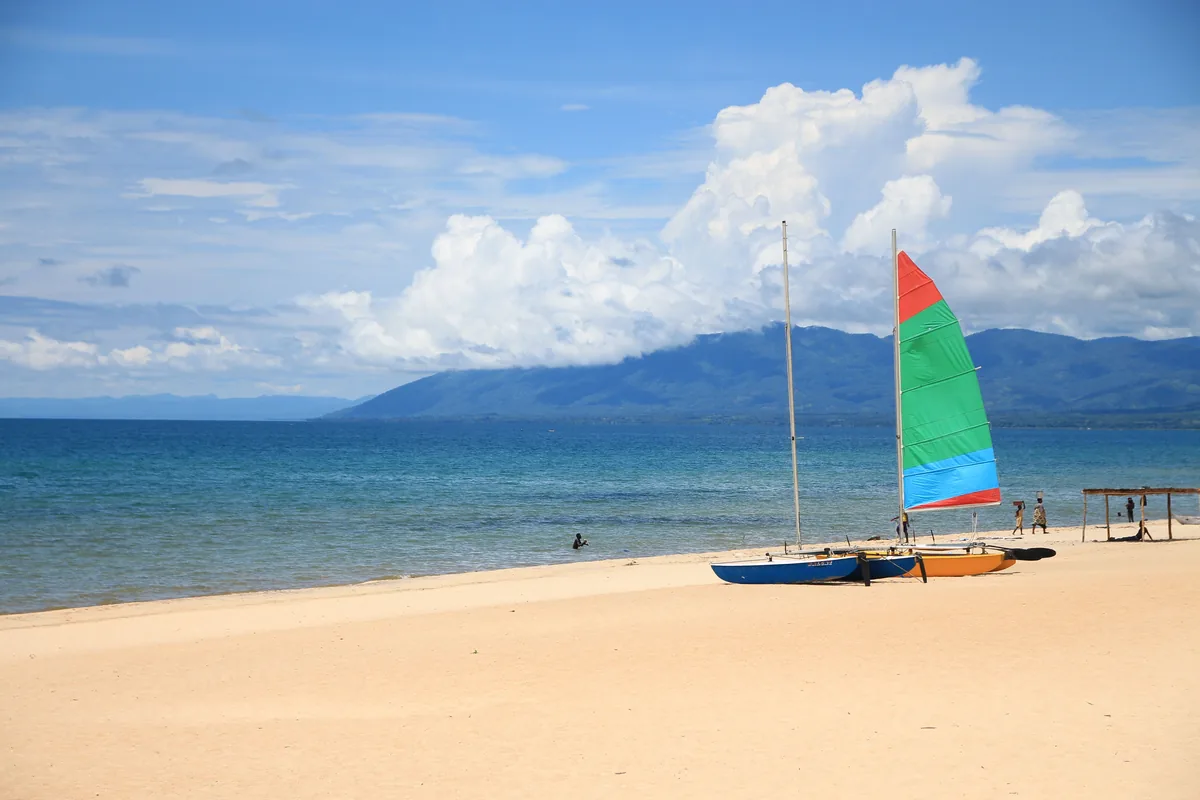
    Malawi is the gentle Africa. No great herds, no spectacular landscapes in the manner of the south-east: this is a country of lake, of lakeside villages, of rounded hills. One comes here to slow down, to combine safari with calm waters, to experience an Africa that is inhabited rather than merely observed.

    Liwonde National Park offers discreet drives along the Shire River — elephants, hippos, waterbirds. Often you take to a boat, putting ashore on a sandbank. Further north, the shores of Lake Malawi serve as a place to breathe: peaceful nights, clear waters, villages where one can take one's time. It is a destination I often suggest to close a journey, for those who wish to end their travels gently, without the tension of a crowded itinerary.

    Fishermen's sailing boats on a beach of Lake Malawi, mountains in the background
    Lake Malawi — sailing boats at dawn, a fishermen's beach
    Recommended season —
    May to October
    Average duration —
    8 to 12 days

    Write to me about Malawi →

  5. V.

    Ethiopia

    High plateaux, rock-hewn churches, the roots of the continent

    Ethiopia is not a safari country in the conventional sense. It is something else: an Africa of high plateaux, of churches carved into the rock at Lalibela, of the monasteries on Lake Tana, of the spectacular rifts of the Danakil. A cultural and geological destination before it is one of wildlife, which speaks to those who wish to touch something of the ancient roots of the continent.

    As for nature, the Bale Mountains National Park is home to the Ethiopian wolf — one of the rarest canids in the world — amid highland landscapes that recall the Andes more than the savannah. It is a demanding journey: altitude, distances, a rhythm all its own. I offer it to those who have already travelled in East Africa and are seeking another side of it — less photographed, denser in history, profoundly affecting.

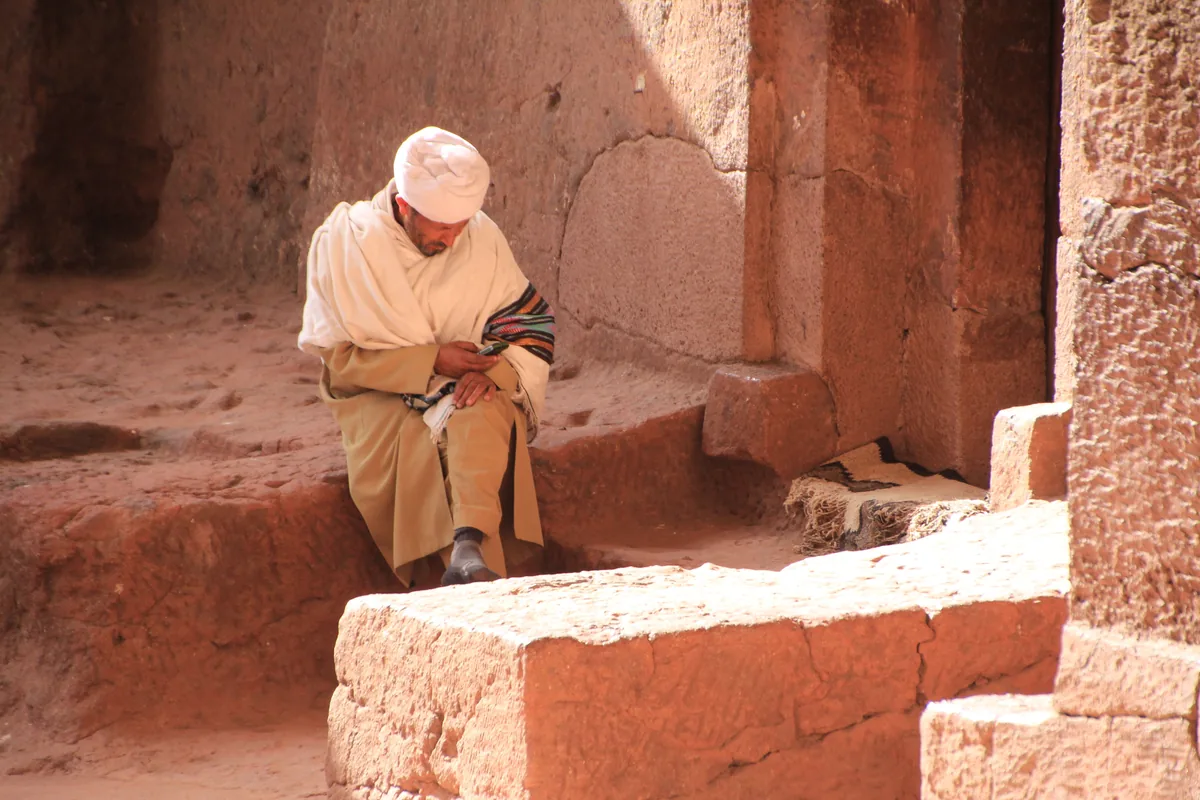
    A man in traditional dress inside a rock-hewn church at Lalibela, Ethiopia
    Lalibela — rock-hewn churches, the continent's Orthodox roots
    Recommended season —
    October to March
    Average duration —
    10 to 15 days

    Write to me about Ethiopia →

  6. VI.

    Zimbabwe

    Mana Pools, Hwange, the school of the trackers

    Zimbabwe is perhaps the country where one learns most of all how to walk. Its guides are among the finest on the continent — long training, demanding examinations, a school of patient observation that few other countries still impose. At Mana Pools, on the banks of the Zambezi, you approach elephants on foot, at a respectful distance, in a silence that becomes a discipline.

    Hwange, to the west, opens onto drier landscapes and very large herds of elephants — luminous dry seasons, daybreaks that take the breath away. The country demands a little more logistical commitment, but rewards it amply.

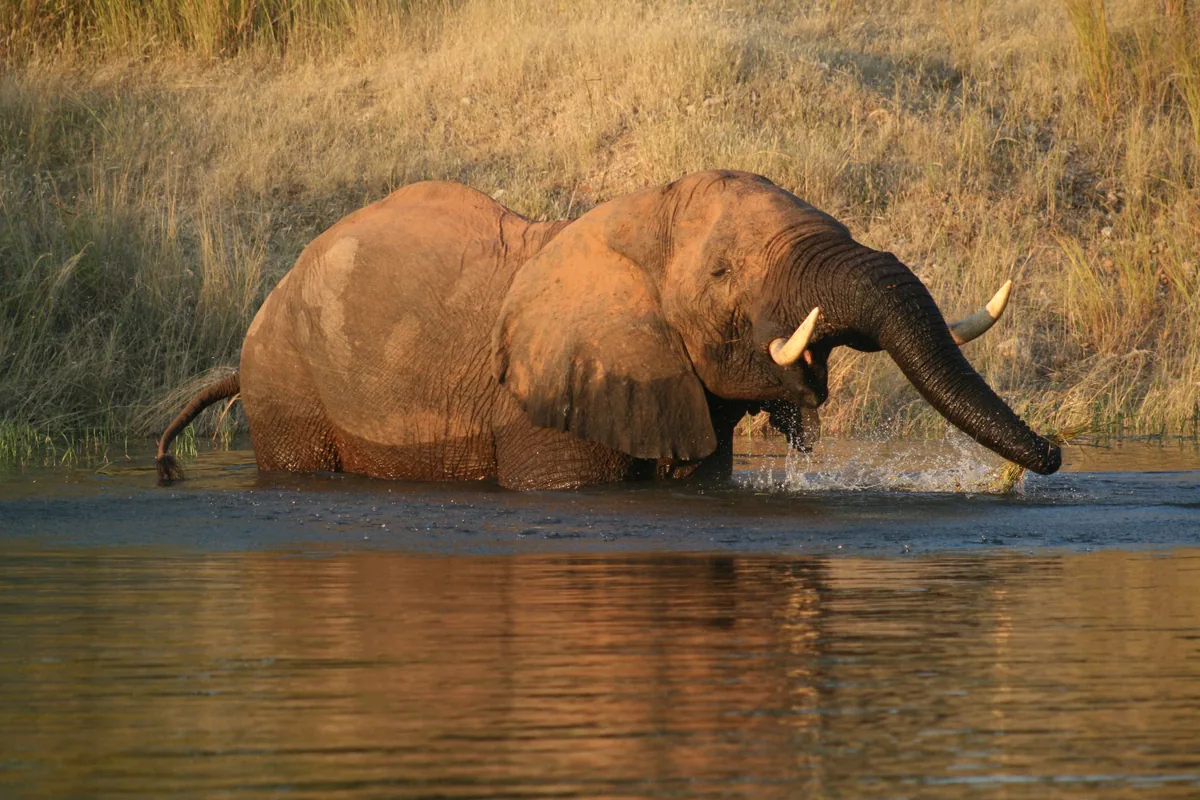
    Victoria Falls seen from the Zimbabwean side
    Mana Pools — September, late afternoon on the Zambezi
    Recommended season —
    May to October
    Average duration —
    8 to 12 days

    Write to me about Zimbabwe →

  7. VII.

    Zambia

    South Luangwa, the walk, the long nights

    Zambia is the land of the walk. South Luangwa invented the modern walking safari — you set out on foot, early in the morning, accompanied by an armed scout and a guide who knows every tree. You read the trail, you learn to recognise it, you stop often. The density of wildlife is exceptional: leopards, wild dogs, elephants, hippos come out of the water at nightfall.

    I like to come here at the end of the dry season, in September and October, when the heat draws the rhythms tighter and the herds gather around the waterholes. The nights are calm, the skies without rival.

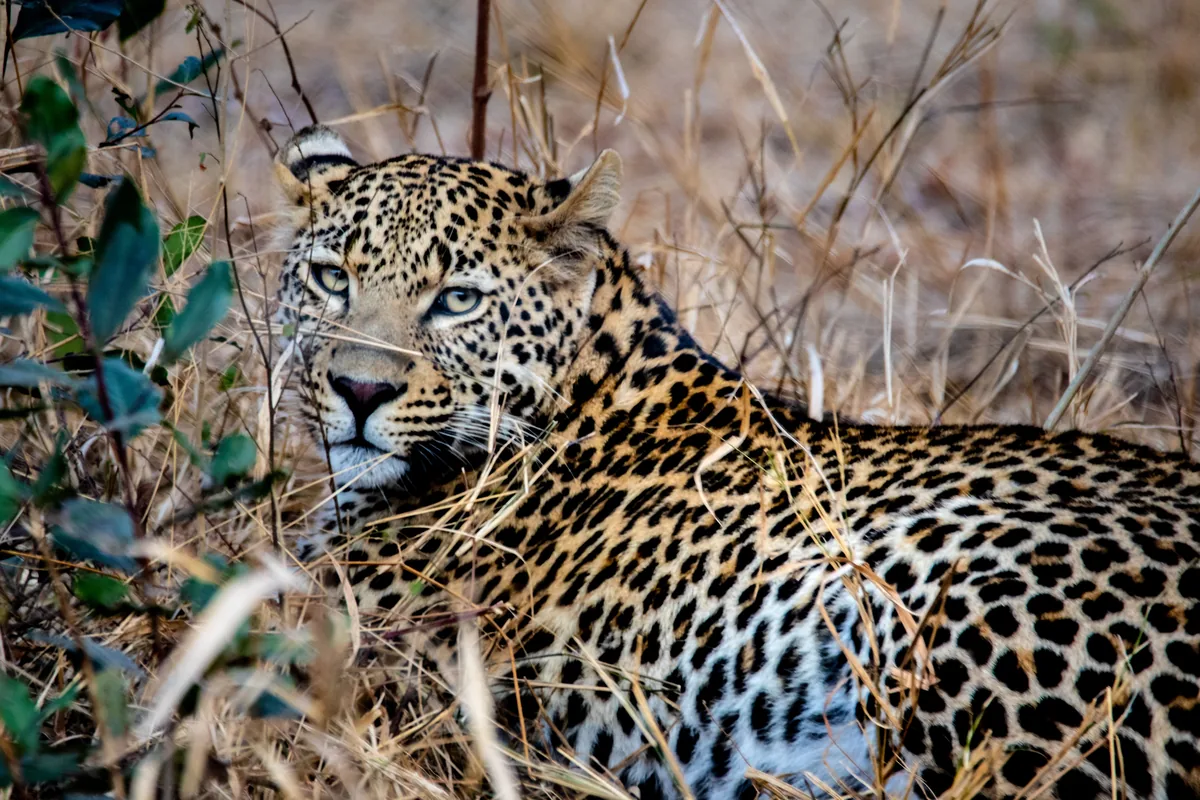
    A leopard lying in the dry grass of the Luangwa valley, Zambia
    South Luangwa — a leopard at dusk, the end of a stage
    Recommended season —
    June to October
    Average duration —
    8 to 12 days

    Write to me about Zambia →

  8. VIII.

    Botswana

    Okavango, mokoro, water in the desert

    Botswana is the land of water in the desert. The Okavango Delta floods during the dry season — a geographical paradox that lies at the heart of what makes this country so singular. You travel it by mokoro, the traditional poled canoe, through a silence in which you can hear the water moving between the papyrus.

    It is also the country where the comfort of mobile camps has been most thoughtfully conceived. Spacious tents, high beds, finely prepared meals beneath the open sky — never any concrete, never any complacency. The wildlife is superb: elephants, Chobe lions, the rare wild dogs of the northern delta. For a first journey through Southern Africa, it is a gateway of rare precision.

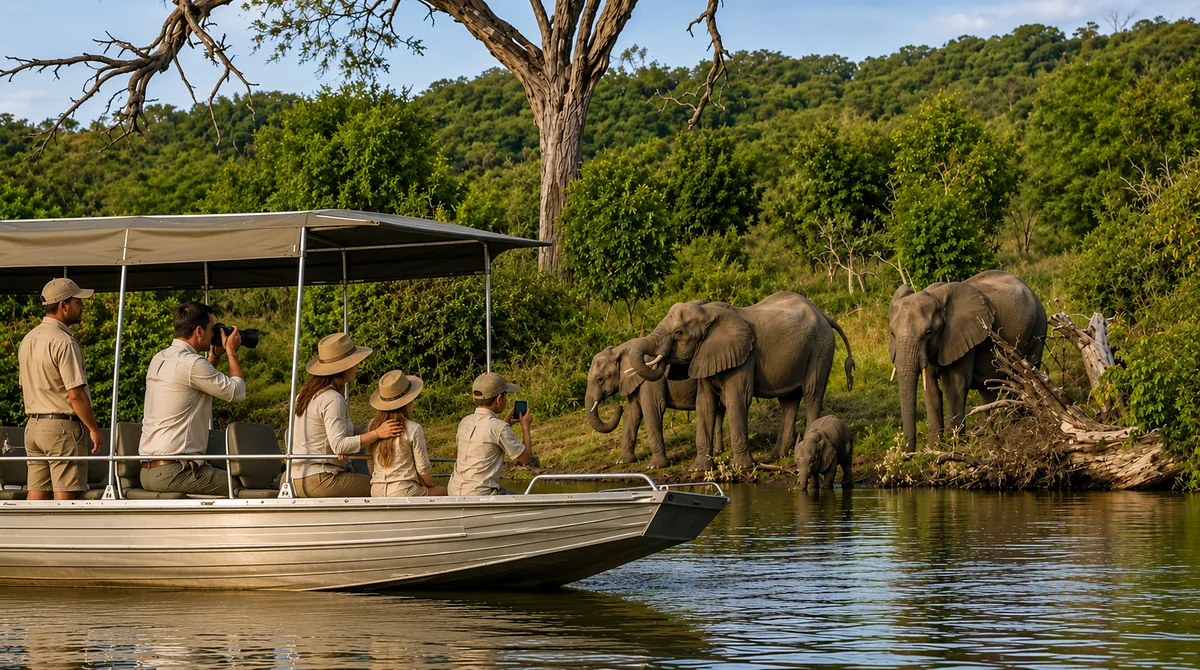
    A herd of elephants at the water's edge, watched from a boat in the delta
    Okavango Delta — watching elephants from the water
    Recommended season —
    May to October
    Average duration —
    10 to 14 days

    Write to me about Botswana →

  9. IX.

    Namibia

    Etosha, the Namib, the mineral and the light

    Namibia is a country of air and mineral. Etosha National Park, in the north, is one of the most singular places to watch wildlife in Africa: a great dried salt pan around which the animals gather at the waterholes, sometimes as silhouettes of perfect legibility, as though set upon a stage. The approaches here are calmer than elsewhere — you take your time, you wait.

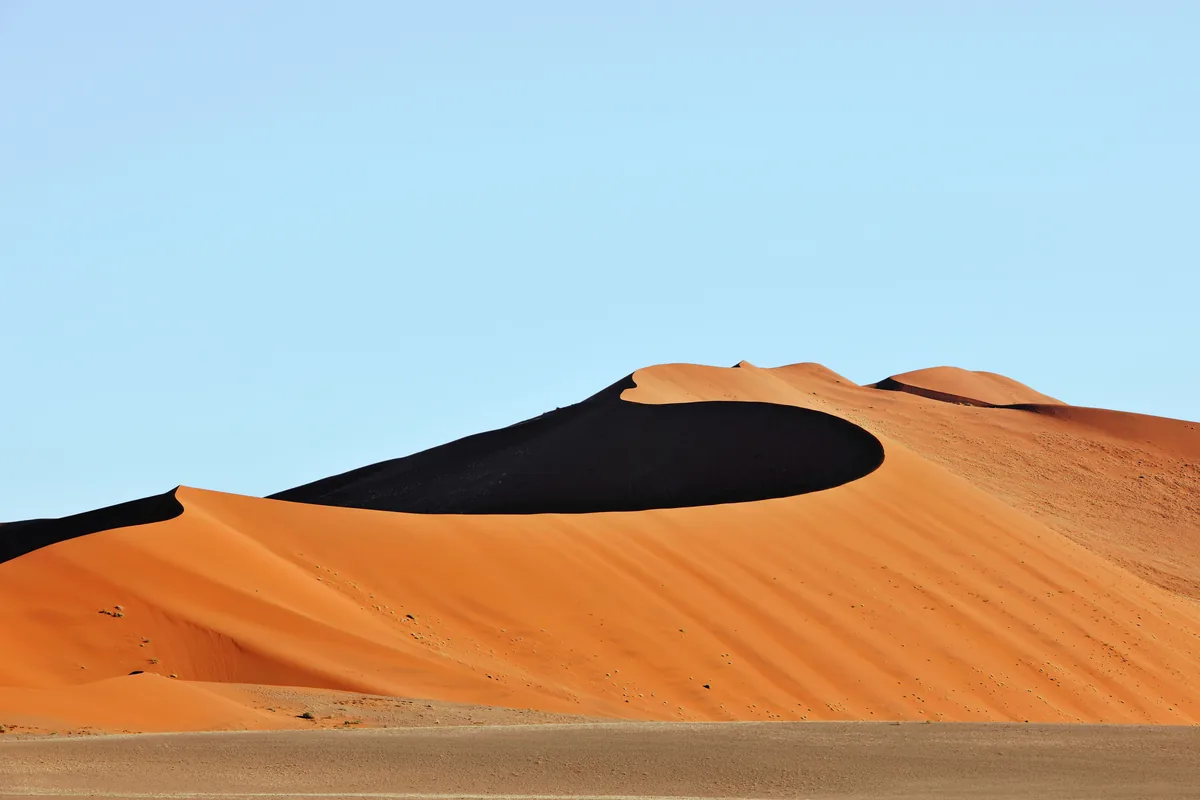
    Further south, the dunes of the Namib at Sossusvlei offer one of the most recognisable images of the continent — and one of the most poorly photographed, through haste. They are best approached early, in the first hour of the day, while shadow still draws the ridgeline. I prefer this country at the start or the close of the dry season, when the light turns more oblique.

    Orange sand dunes of Sossusvlei in the Namib Desert
    Sossusvlei — July, first light on the dunes
    Recommended season —
    April to October
    Average duration —
    10 to 14 days

    Write to me about Namibia →

  10. X.

    Zanzibar

    The Indian Ocean, the gentle extension to a safari

    Zanzibar is the breath of the Indian Ocean. I almost always offer it as an extension to a stay in Tanzania — a few days at sea after the drives, salt after dust. It is the other side of the journey: you let go, you walk barefoot, you wander the lanes of Stone Town as evening falls, you board a traditional dhow for a day of coastal sailing.

    The archipelago offers several moods depending on the coast: north and east turned towards bathing and diving, west more cultural and historic. I work with a few intimate lodges I know well, far from the great seaside complexes. This is not a "relaxation" destination in the mass-tourism sense — it is a continuation, chosen for the rightness of its contrast with the bush, and for the quality of the Swahili welcome one still finds there.

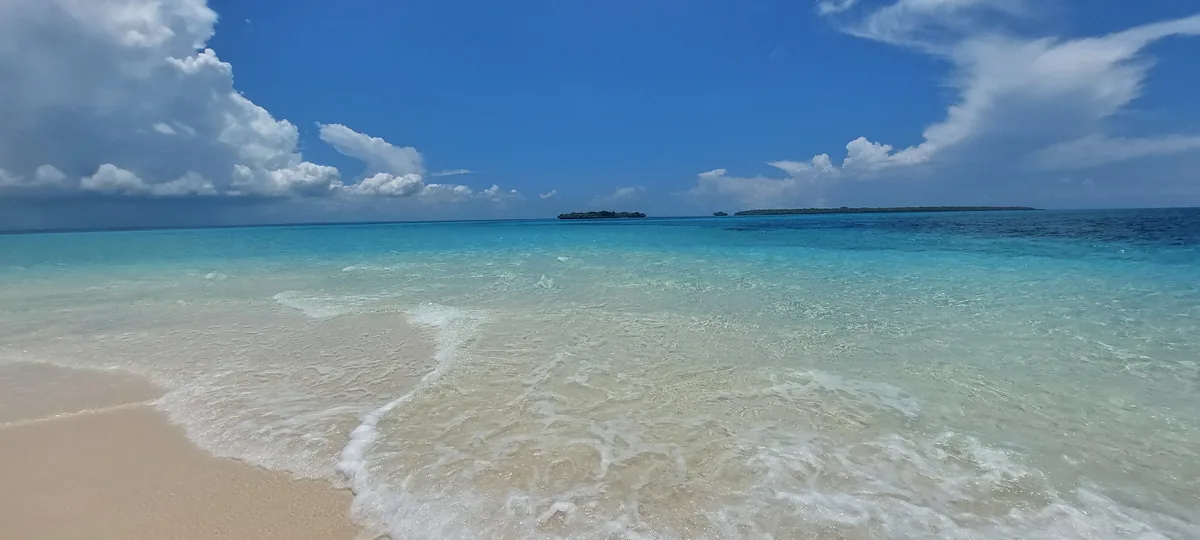
    For the beach extension, I favour two more secluded islands: Pemba, wild and unspoilt, renowned for its pristine reefs; and Mafia, where one can swim alongside the whale sharks — those gentle giants of the ocean — between October and March. Two discreet retreats, to be chosen according to the season and the mood.

    White sand beach and turquoise lagoon at Zanzibar
    Zanzibar — dhows under sail, turquoise waters
    Recommended season —
    June to October — December to February
    Average duration —
    5 to 8 days (as an extension)

    Write to me about Zanzibar →

  11. XI.

    Côte d'Ivoire

    A destination for the few — roots, forests, rare glimmers

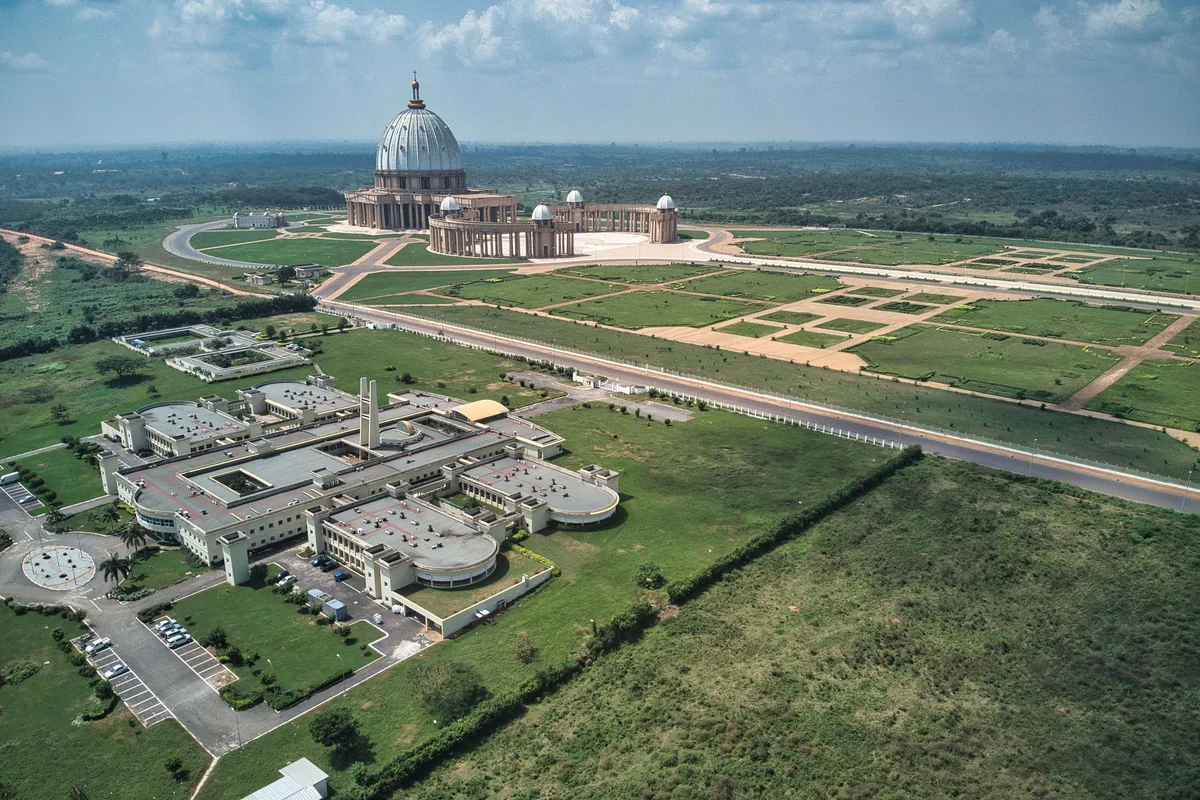
    Côte d'Ivoire appears in no conventional safari catalogue. That is precisely what draws me back. The country offers another relationship with Africa — not the savannah and the great herds of the south-east, but primary forest, inland rivers, villages where one lingers a long while.

    It is a journey for those who already know East Africa or the south-western coast and are seeking something else: a more intimate, rarer destination, free of the pressure of the bucket list. One travels differently here, meets people differently, and returns with another kind of story to tell.

    For that reason, it is also the destination I offer least often — a handful of journeys each year, by application, with a logistical framework prepared well in advance. If it calls to you, write to me: we shall take the time to talk it through.

    Local fishing on an Atlantic beach — Côte d'Ivoire
    Taï National Park — January, undergrowth in the late afternoon
    Recommended season —
    November to March
    Average duration —
    10 to 14 days

    Write to me about Côte d'Ivoire →

No two of these countries are alike. None is visited in the same way. If several call to you at once — as is often the case — write to me and we will look together at which one, or ones, open your journey.